Protecting the Planet
Commitment
Noul is deeply aware that the effects of climate change and environmental crises on human health and ecosystems are becoming increasingly severe. Accordingly, Noul has adopted a comprehensive approach to reducing environmental burdens across its management activities and product life cycles and is fulfilling its environmental responsibilities through three main directions: responding to climate change through its products and technology, transitioning organizational operations toward more environmentally friendly practices, and enhancing employees' environmental awareness.
In particular, deteriorating air quality, the expansion of mosquito habitats and the spread of infectious diseases into non-endemic regions due to climate change are urgent challenges that intensify risks to global health security and increase disease risks. Noul is focused on advancing the technology and performance of miLab™ so that it can serve as a key field-based solution for monitoring and controlling the spread of diseases attributable to climate change. At the same time, Noul is applying product design approaches that consider environmental impacts to reduce resource consumption and advancing remote diagnostic functions and the supporting technologies required to minimize carbon emissions associated with the movement of materials and personnel.
In terms of organizational operations, Noul is focused on progressively implementing an environmentally friendly transition at a level that meets the expectations of customers and stakeholders. By taking into account the evolving regulatory environment and stakeholder expectations, Noul will actively manage environmental impacts throughout its management activities and product life cycles and proactively pursue environmentally friendly transition efforts suited to the company's growth stage.
Employees' environmental awareness and practices are a key driver of environmental responsibility for a venture company such as Noul. Noul will continue to expand company-wide institutional and cultural support so that all employees can embed environmentally friendly and low-carbon lifestyles into their work and everyday lives.
Approach
We comply with domestic and international environmental laws and regulations and proactively identify and manage environmental risks.
We progressively strengthen our environmental management capabilities in accordance with the company-wide mid- to long-term improvement plan.
We apply environmental criteria, or Eco-design, from the product design stage to reduce environmental impacts throughout the life cycle.
We systematically manage hazardous chemicals and waste and continuously improve energy and resource efficiency.
Monitoring Metrics
Greenhouse Gas Emissions
Energy Consumption
Total Chemical Waste Emissions
Disposable cups replaced through company-wide tumbler use policy
Paper use reduced through paperless methods (90%+ of QMS operational scope)
Progress
Eco-friendly Transition of Products and Processes
Since 2021, Noul has calculated its greenhouse gas emissions internally with reference to international standard protocols. In 2024, it re-established its greenhouse gas inventory through a review by an external specialized institution. Based on this inventory, total greenhouse gas emissions in 2025 amounted to 499.34tCO2eq, an increase of approximately 10.6% from 451.37tCO2eq in 2024.
Direct emissions (Scope 1) decreased by approximately 5.2% year on year following a 25% reduction in the number of company vehicles beginning in October 2025, while indirect emissions (Scope 2) increased by approximately 11% compared with 2024. Greenhouse gas intensity based on miLab™ Cartridge production volume in 2025 was 1.27kgCO2eq/unit, a decrease of approximately 3.8% from the previous year.
An internal review indicated that the main factors behind the increase in emissions were higher electricity consumption resulting from increased miLab™ Cartridge production and strengthened temperature and humidity controls to maintain product quality. Noul continues to conduct internal energy-saving campaigns and monitoring. At the current stage, however, it has determined that the scope for additional responses beyond improving electricity-use efficiency is limited. In 2026, Noul plans to optimize the working environment and improve energy-use efficiency by reorganizing its use of space.
Noul Co., Ltd. Greenhouse Gas Measurement Information
·Organizational Boundary
·All offices, including research facilities, manufacturing facilities and vehicles owned by Noul Co., Ltd.
·Address: 4th, 6th, 9th and 10th Floors, 338 Gwanggyojungang-ro, Yongin-si, Gyeonggi-do
·Emission Sources
| Scope | Emission Sources and Emissions Calculation Basis |
|---|---|
| Scope 1 | (Mobile Combustion) Company-owned vehicles operated by Noul in 2025 Supporting data for emissions calculation: Vehicle fuel economy |
| Scope 2 | (Indirect Emissions) Electricity charges and consumption in 2025 (kWh) Supporting data for emissions calculation: Electricity bills and building management fee statements |
·Calculation Standards/Methodology
·Guidelines on the Operation of the Greenhouse Gas and Energy Target Management System
(Ministry of Environment Notice No. 2022-54), Appendix 10, [Reference]_Emission Activity Codes/Emission Facility Codes
·Guidelines on Emissions Reporting and Certification under the Greenhouse Gas Emissions Trading Scheme
(Ministry of Environment Notice No. 2022-279), country-specific net calorific values and emission factors by fuel type, and the latest national greenhouse gas electricity emission factor
Greenhouse Gas Emissions (tCO₂eq)*
Greenhouse Gas Intensity (kgCO₂eq/unit)**
Energy Consumption (TJ)*
Energy Intensity (KJ/unit)**
*Calculated based on Scope 1 and Scope 2 emissions.
**Calculated by dividing by miLab™ Cartridge production volume.
Noul has considered sustainability an important design principle alongside technological innovation since the early development of miLab™. Its solid staining technology, which addresses the water use and liquid staining wastewater generated by conventional microscopy-based diagnostics, is one outcome of this approach. The technology reduces water and staining reagent use by approximately 99% and enables a testing process that generates no hazardous liquid wastewater. While maintaining diagnostic accuracy and patient safety as its highest priorities, Noul continues to explore measures that reduce resource use and environmental burdens during the diagnostic process.
At the same time, the in-vitro diagnostic medical device industry requires strict standards for maintaining sterility and preventing contamination, with patient safety and testing accuracy as the highest priorities. As a result, miLab™ Cartridges, which come into direct contact with blood and reagents, must be treated as medical waste after use, creating practical constraints on the adoption of environmentally friendly alternatives in terms of material selection and design. Furthermore, as Noul also pursues its mission of providing affordable diagnostic solutions in regions with limited healthcare access, finding a balance between environmental sustainability and product accessibility remains an important challenge.
Within these constraints, Noul is implementing progressive improvements that reflect the characteristics of the industry and market environment, as follows.
· Development of a reusable miLab™ Cartridge base plate: In 2024, Noul developed a cartridge base plate that can be reused up to 50 times. It continues to assess its suitability for actual operating conditions, including user convenience, while improving its readiness for commercialization.
· Transition of device cushioning materials: In 2025, Noul conducted performance testing to replace existing PE Foam with corrugated cardboard. However, as it was unable to secure an alternative that met both cushioning performance and quality requirements, additional verification is continuing.
· Change in cartridge packaging material: In 2025, Noul changed the packaging material for certain products from PS to PET, which is easier to recycle. However, quality stability issues were identified under changing transport conditions, and the company temporarily returned to the previous material. Noul plans to continue identifying alternative materials that meet both recyclability and quality stability requirements.
Environmental Awareness Activities
Since 2022, Noul has operated company-wide environmentally friendly and low-carbon programs based on employee participation and has continued to expand its environmental activities around the principles of Reduce, Reuse and Recycle (3R).
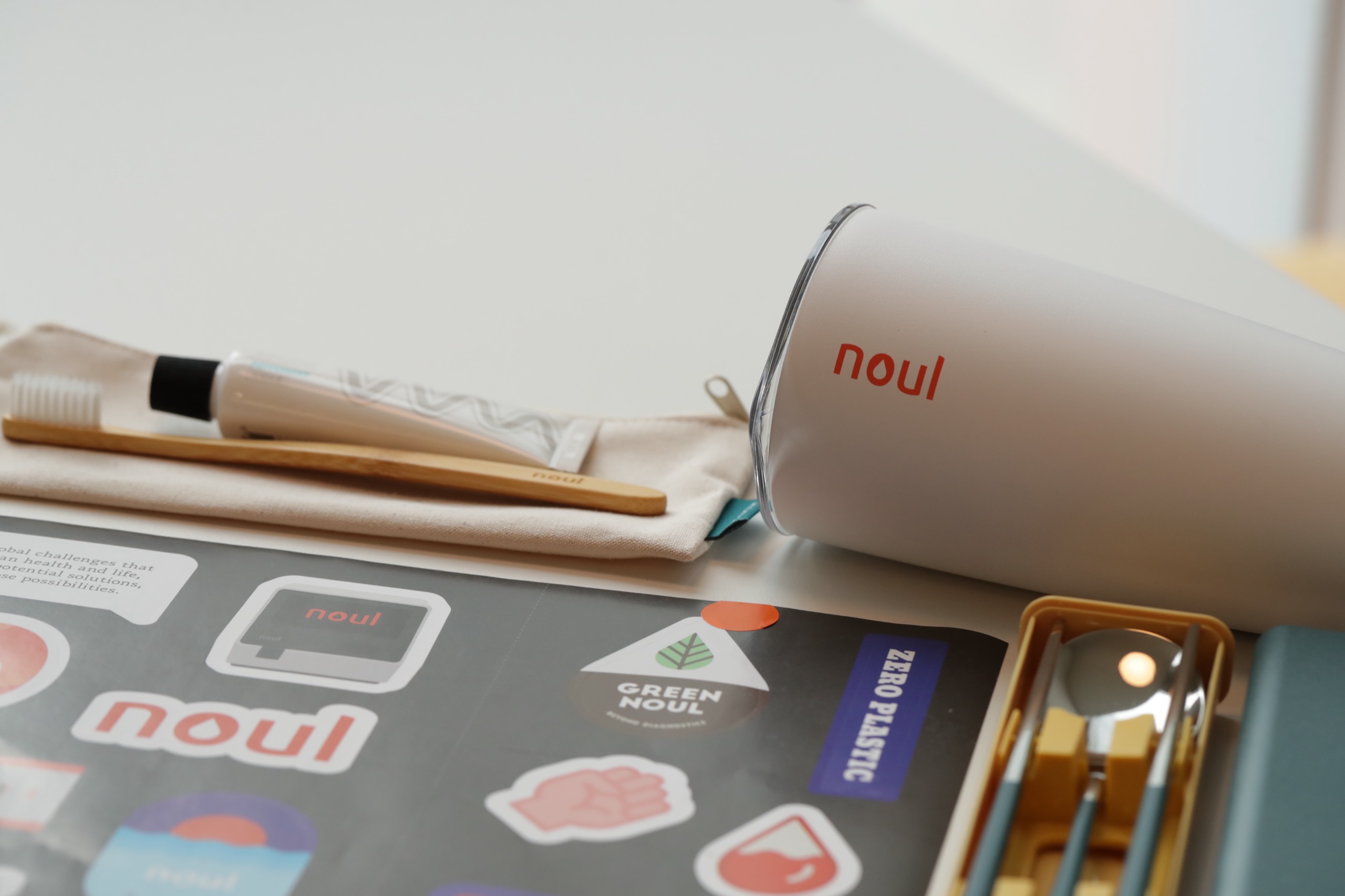
New employees receive a welcome kit containing a tumbler, reusable tableware and a bamboo toothbrush, enabling them to participate in environmental protection practices from the beginning of their employment. Ongoing since 2022
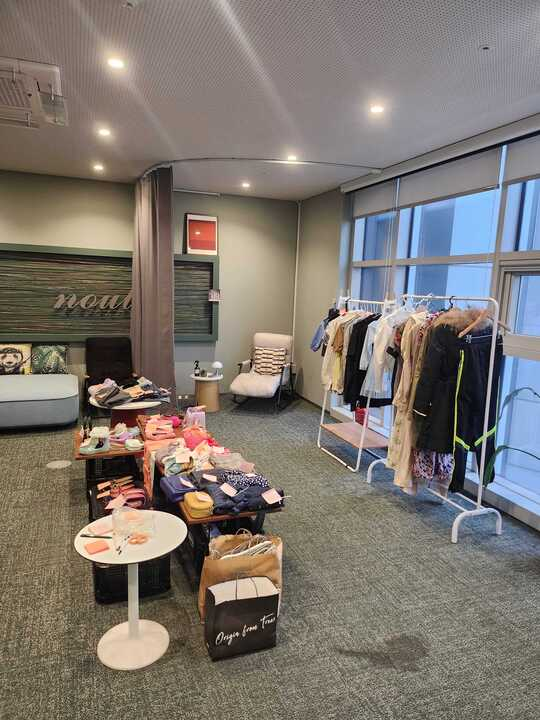
At the end of each year, Noul holds the "Noul Salon" event, where employees exchange unused items, and a "Clothing Swap Booth" for exchanging clothing and accessories, providing opportunities to participate in resource circulation activities. Ongoing since 2023
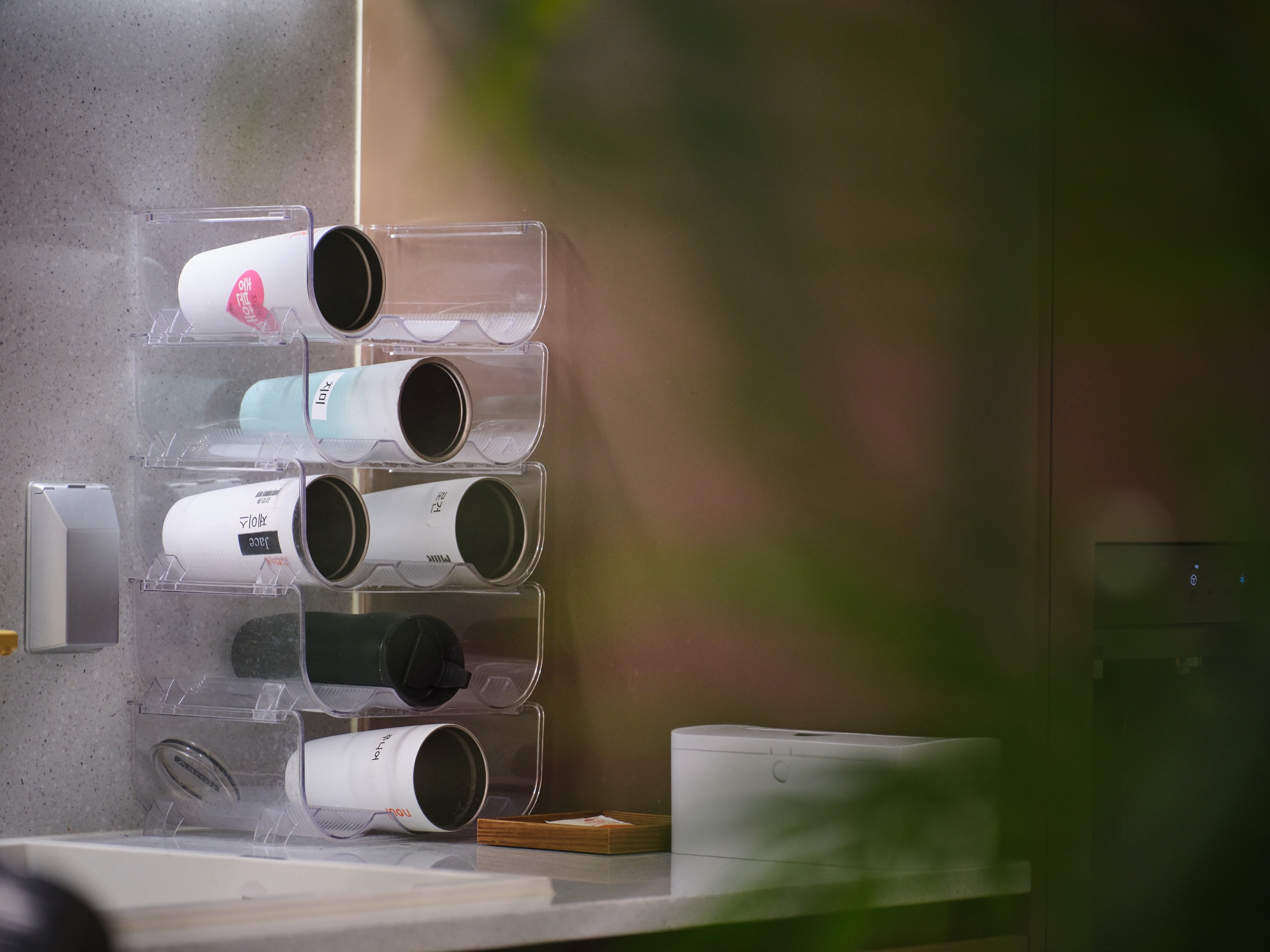
The use of tumblers is mandatory at the in-house cafe "Noul, With You," minimizing the use of disposable cups in the workplace. During 2024, this practice replaced the use of 9,992 paper cups and 22,530 plastic cups. Ongoing since 2022
Since 2024, Noul has operated the "Wise Carbon Life" program to encourage employees to practice carbon reduction in their daily lives. Employees participate in carbon reduction activities by completing various environmental missions, including turning off heating and cooling systems and power strips, switching off office lights, correctly separating waste for recycling, and using low-carbon commuting methods. "Green Coins" earned by completing missions can be exchanged at the Green Market for environmentally friendly products such as toothbrushes, tumblers and solid laundry detergent.
In 2025, Noul expanded the program by adding four missions to the existing six: secondhand trading, activating computer power-saving settings, deleting unnecessary emails and avoiding food waste. It also improved the range of Green Market products and increased accessibility by relocating the market to an area along employees' main routes through the workplace. Fifty employees participated in the program at least once. Although the number of participants decreased from the previous year, the increase in the number of missions completed resulted in a 148.62% year-on-year increase in the estimated cumulative annual CO₂ reduction, calculated using general carbon reduction factors.
In 2026, Noul plans to improve the operation of special missions and enhance program communications and the participation environment, enabling more employees to take part in carbon reduction activities. Ongoing since 2024
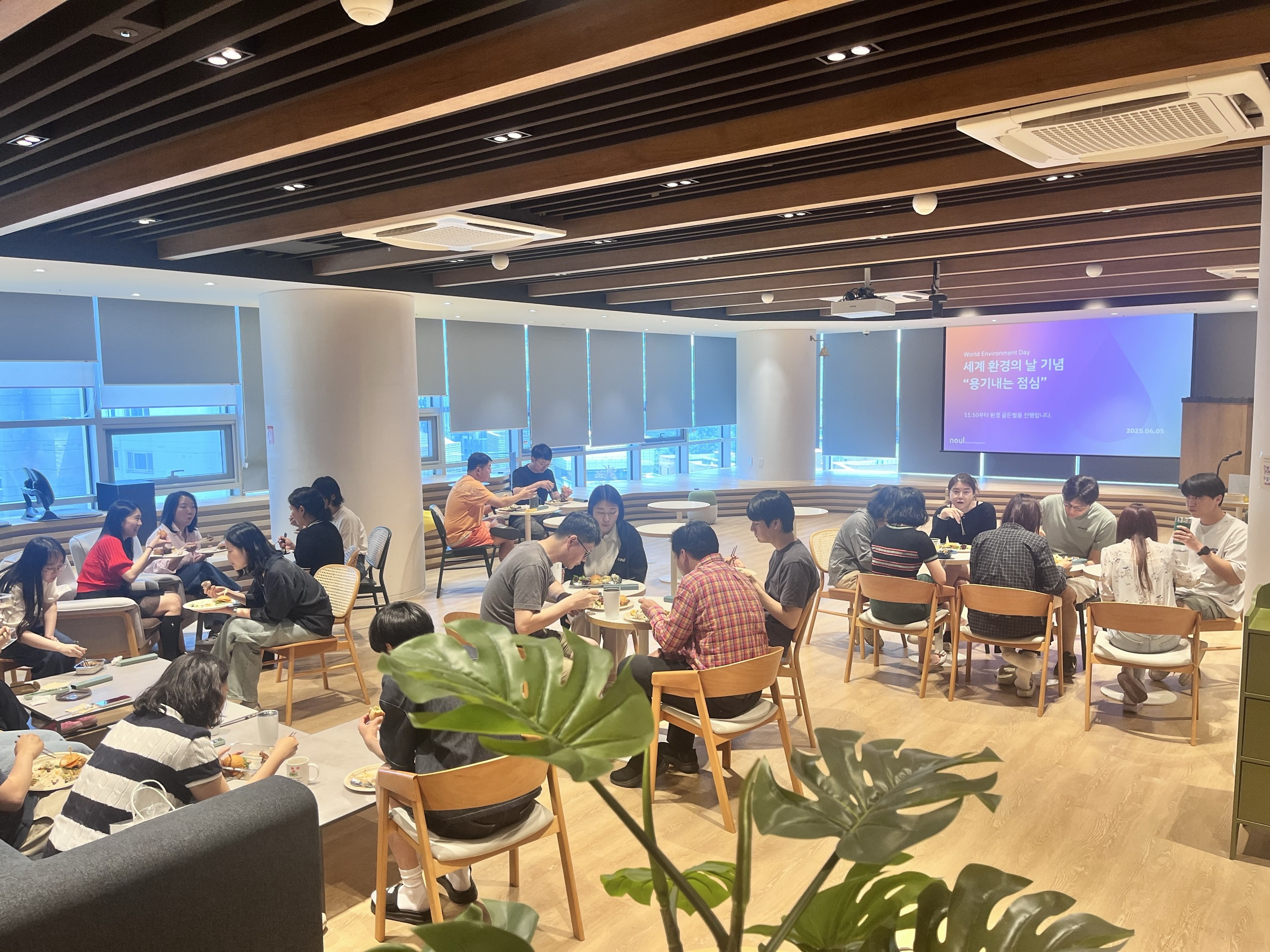
Noul conducts various environmental education and participatory activities to enhance employees' environmental awareness and encourage voluntary practices at work and in daily life. In 2025, to mark World Environment Day on June 5, Noul held a one-week challenge aligned with the year's theme, "Beat Plastic Pollution," in which employees refrained from purchasing new single-use plastic products. During lunchtime, Noul held a "Bring Your Own Container Lunch" event, where employees brought reusable personal containers and shared a vegan meal while discussing the environmental impact of dietary choices. During the meal, employees learned about environmental issues through a quiz and watched a documentary examining the disposal of clothing made from plastic-based materials, raising awareness of environmental issues in everyday life. A total of 45 employees, approximately 32% of all employees, participated in the campaign.