miLab™ is an AI-based digital microscopy diagnostic platform optimized for decentralized healthcare environments. With the miLab™ solution, blood and cancer diagnostic tests such as malaria diagnosis, Blood Count & Morphology analysis, and cervical cytology can be performed quickly and accurately across a wide range of healthcare settings.
miLab™ Platform
A platform
device that automates the
entire microscopy diagnostic
process, from sample preparation to AI result interpretation
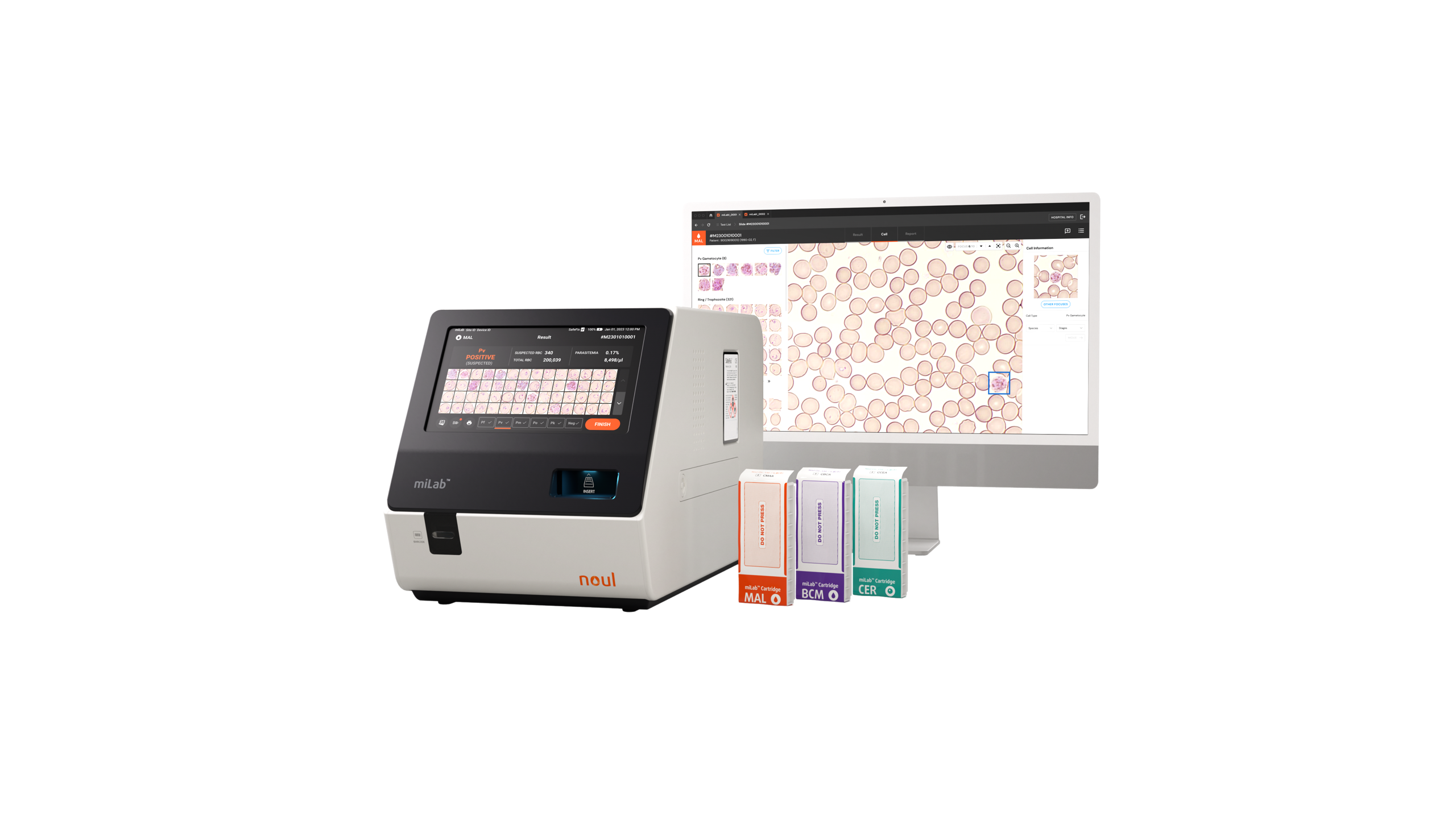
miLab™ Analysis Software
A web-based AI analysis solution that enables remote result review from anywhere and overcomes the physical constraints of laboratories
miLab™ Cartridge
A smart cartridge expandable to various diagnostic tests in blood and tissue applications
Technology and Product Development for Sustainability
NGSI™ solid staining technology that replaces liquid staining
The NGSI™(Next Generation Staining & Immuno-staining) solid staining technology applied to miLab™ Cartridge is a method that stains samples by pressing a hydrogel containing staining reagents onto the sample, like applying a stamp. It is an innovative technology that replaces the liquid staining method used for the past 100 years in blood and tissue applications, and it is a core proprietary technology held only by Noul.
NGSI™ solid staining technology can reduce the amount of staining reagent required for diagnostic testing to approximately 1/100 compared with liquid staining. Since washing and drying steps are not required, no wastewater is generated during the staining process. In addition, because components essential to liquid staining, such as pumps, tubing and reagents, are not required, equipment can be miniaturized while integrating the entire microscopy diagnostic testing process. This enables point-of-care diagnostics even in environments with limited laboratory infrastructure.
miLab™ Safefix, an ethanol fixation solution with minimized toxicity
Methanol, commonly used for blood fixation, is highly toxic and may negatively affect the health of testing personnel, while also causing environmental pollution during wastewater treatment. miLab™ Platform is designed to allow medical professionals to conduct testing in a safer environment by using ethanol instead of methanol in the blood fixation process.
Product design for low- and middle-income countries and medically underserved settings
miLab™ is designed to operate reliably even in environments with limited healthcare infrastructure, including power, communications, logistics, and personnel.
- —Stable power supply: Dual power support, including a battery, enables operation even in environments with unstable power infrastructure.
- —Offline operation: On-device processing enables operation without an internet connection, making the system usable in areas with limited communications infrastructure.
- —Operable with minimal training: Full-process automation allows operation after approximately two hours of training, making the system suitable for environments with shortages of specialized personnel.
- —Portability: The compact 11kg device is easy to move, making it suitable for point-of-care diagnostics in remote areas.
- —No cold chain required: MAL and BCM cartridges, as well as the cartridges and devices, can all be stored at room temperature (4–30°C), maintaining product stability even in challenging logistics environments.
Product Portfolio
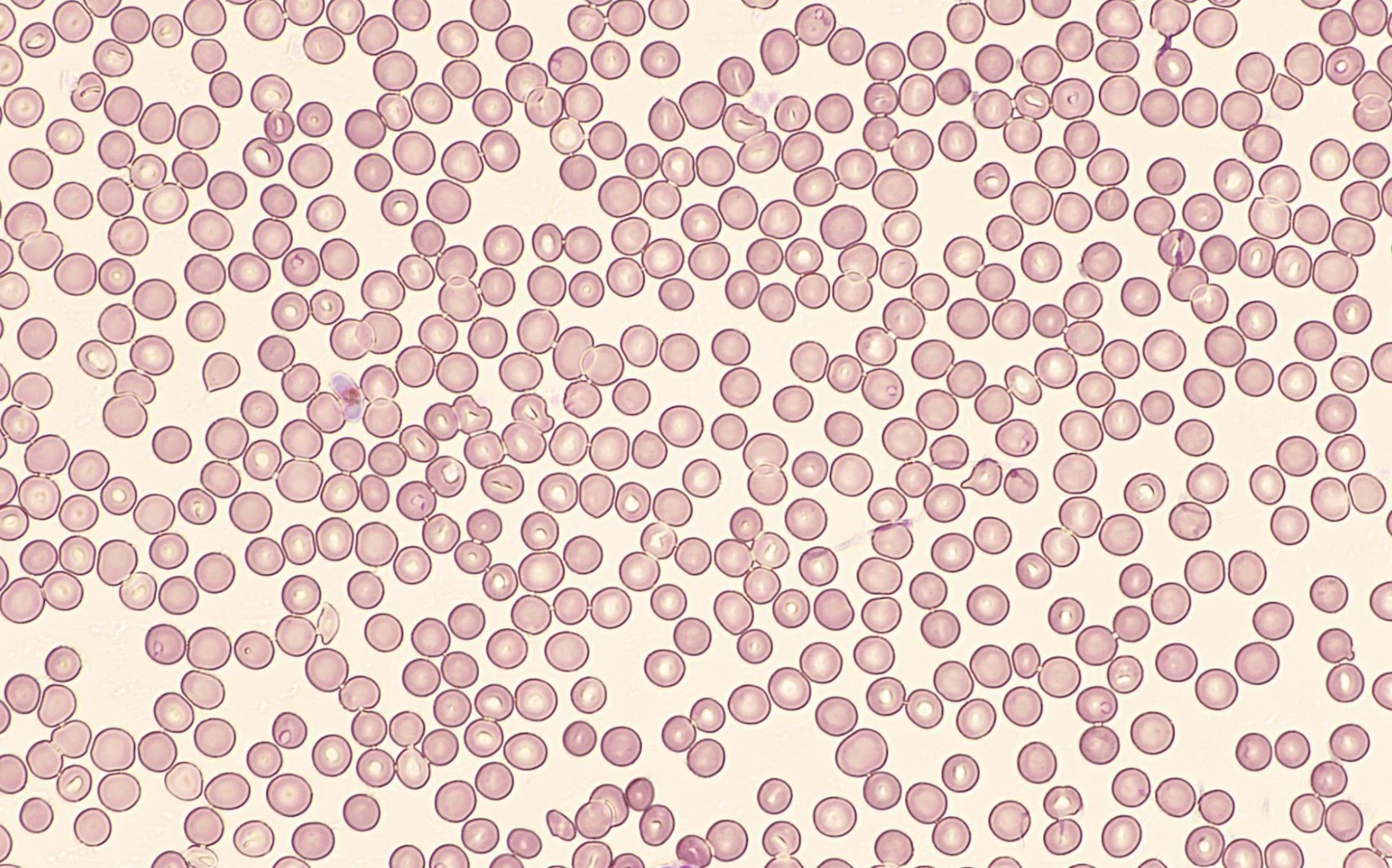
miLab™ MAL
Malaria Diagnostics
Validated with 100% sensitivity and 100% specificity in a clinical study by Labcorp, North America's largest clinical laboratory network.
Results available within 15 minutes.
Completed clinical validation by numerous institutions worldwide, including in high-income countries and Africa, and currently commercialized in 28 countries.
Introduced as the most advanced digital microscopy platform in the 2022 malaria diagnostics market report by UNITAID, a WHO-hosted partnership.
Impact
Designed with the goal of eliminating malaria, miLab™ MAL enables accurate and rapid malaria diagnosis without skilled personnel even in low-access healthcare settings, and substantially reduces testing costs compared with conventional microscopy to expand testing opportunities for more patients. In particular, it detects HRP2/3-deleted P. falciparum infections and ultra-low-density infections that even expert microscopists may miss, helping accelerate linkage to effective treatment and ultimately contributing to malaria elimination.
SDG 3.3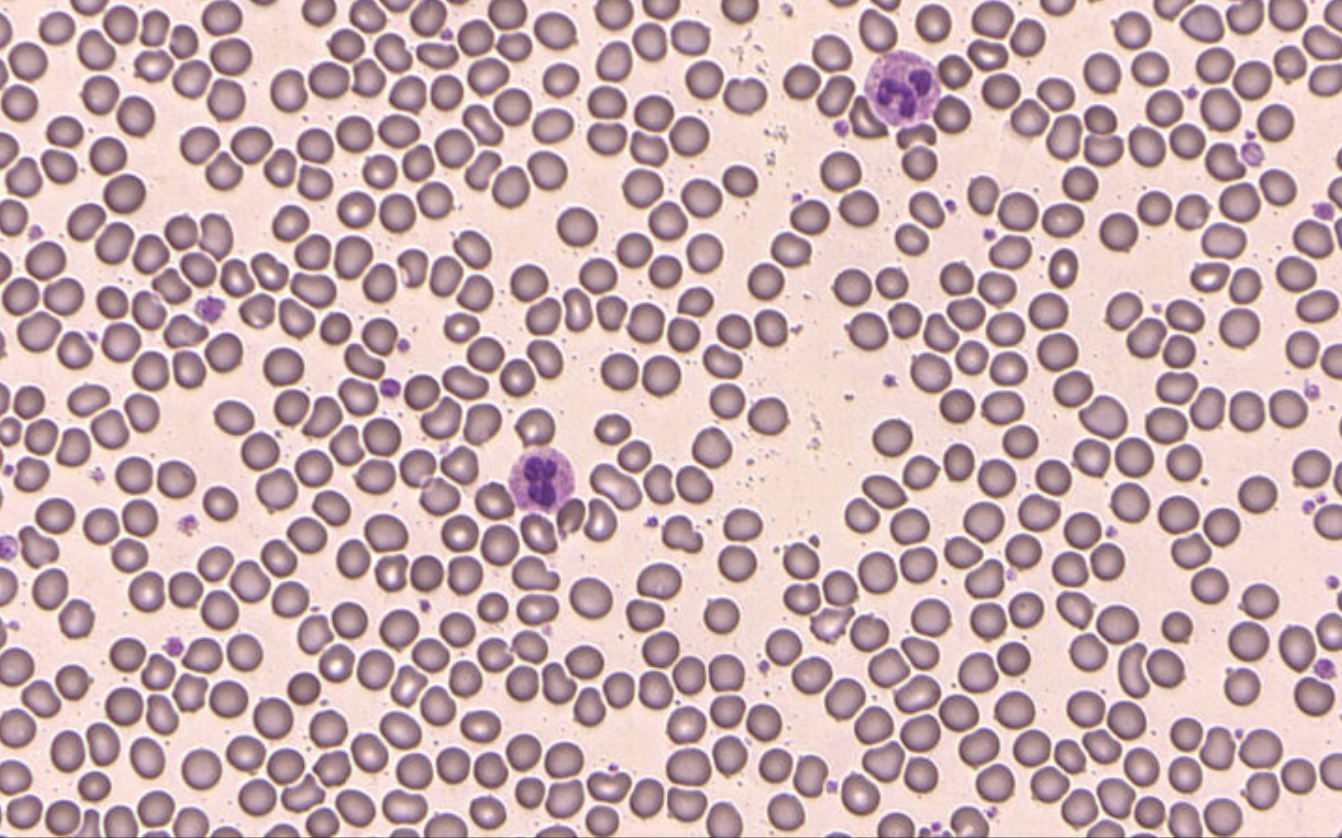
miLab™ BCM
Blood Count & Morphology Analysis
Commercialization of AI-based Image Cytometry technology.
Integrated CBC + morphology analysis with only 5 µL fingertip blood collection (compared with 200–500 µL of conventional venous blood).
Adopted by global medical device company Nihon Kohden and Limbach, the No. 1 lab chain in Germany.
Impact
Even in environments with shortages of specialized personnel and high labor costs, Blood Count & Morphology analysis can be performed rapidly on site. Automation and digitalization reduce human error and improve the efficiency of the overall testing workflow. In particular, testing is possible with only 5μL of blood, reducing the burden of blood collection for vulnerable patients, including infants and young children, and contributing to early detection and appropriate treatment of blood disorders such as anemia and leukemia.
SDG 3.8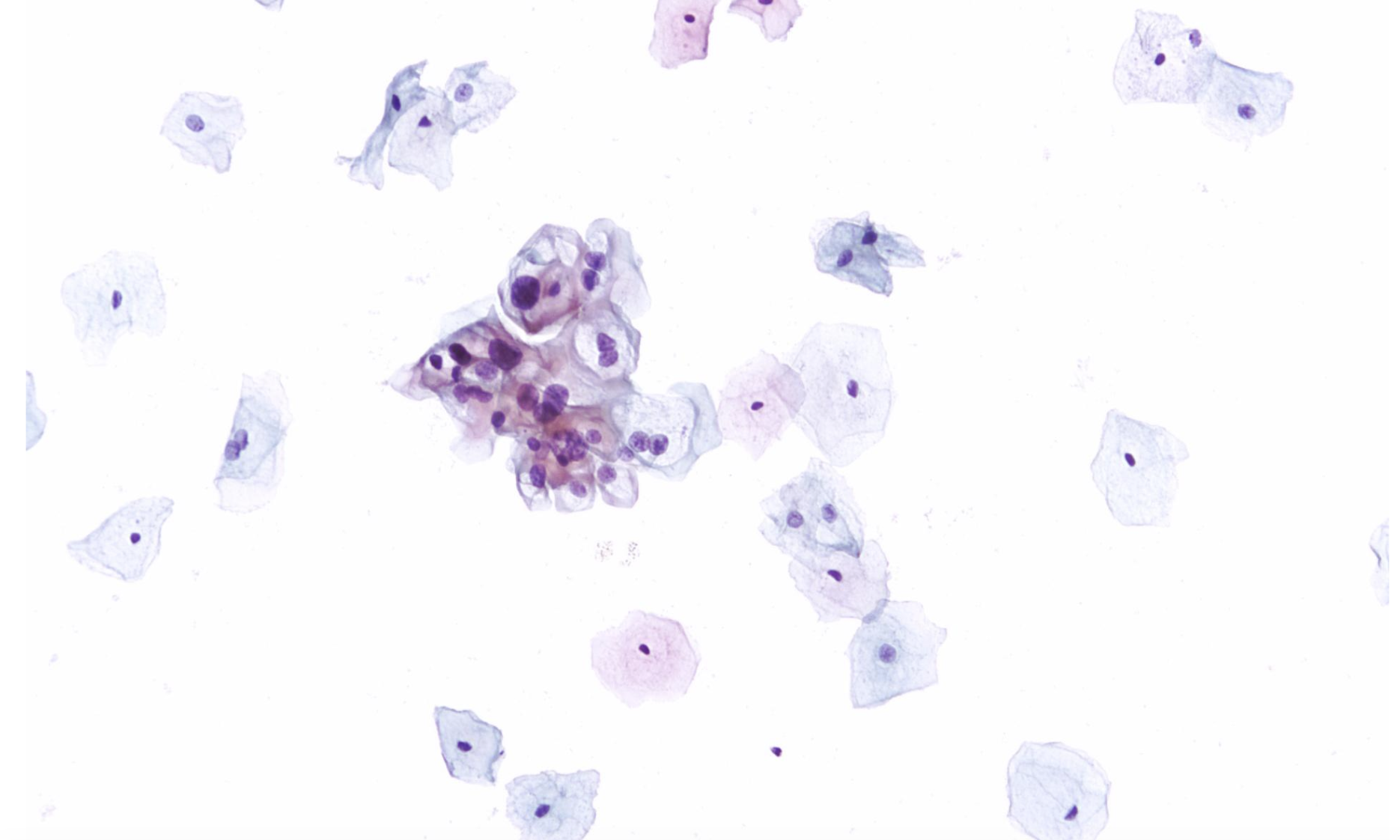
miLab™ CER
Cervical Cancer Screening
All-in-one automated solution integrating staining, imaging, and AI analysis.
1/20 of the implementation cost compared with conventional large-scale equipment.
Automates the testing process from 25 steps to 5 steps.
Planned procurement by the public sector in Latin America.
Officially recommended for use as the only fully automated end-to-end solution in the 2024 cervical cancer technology landscape report by UNITAID, a WHO-hosted partnership.
Impact
miLab™ CER automates the 25-step cervical cancer screening process (Pap test) into five steps, including staining, imaging, AI analysis and report generation, dramatically improving testing efficiency. This enables more women to detect and receive treatment for cervical cancer early even in environments with limited infrastructure and specialized personnel, and contributes to the WHO target of achieving 70% cervical cancer screening coverage by 2030.
SDG 3.4